Professional
fireplace installation in Green Bay helps prevent heat damage to decking by incorporating proper materials, protective barriers, and safe placement strategies.
Without these precautions, the intense heat from fire pits and outdoor fireplaces can discolor, warp, crack, or even structurally damage surrounding surfaces.
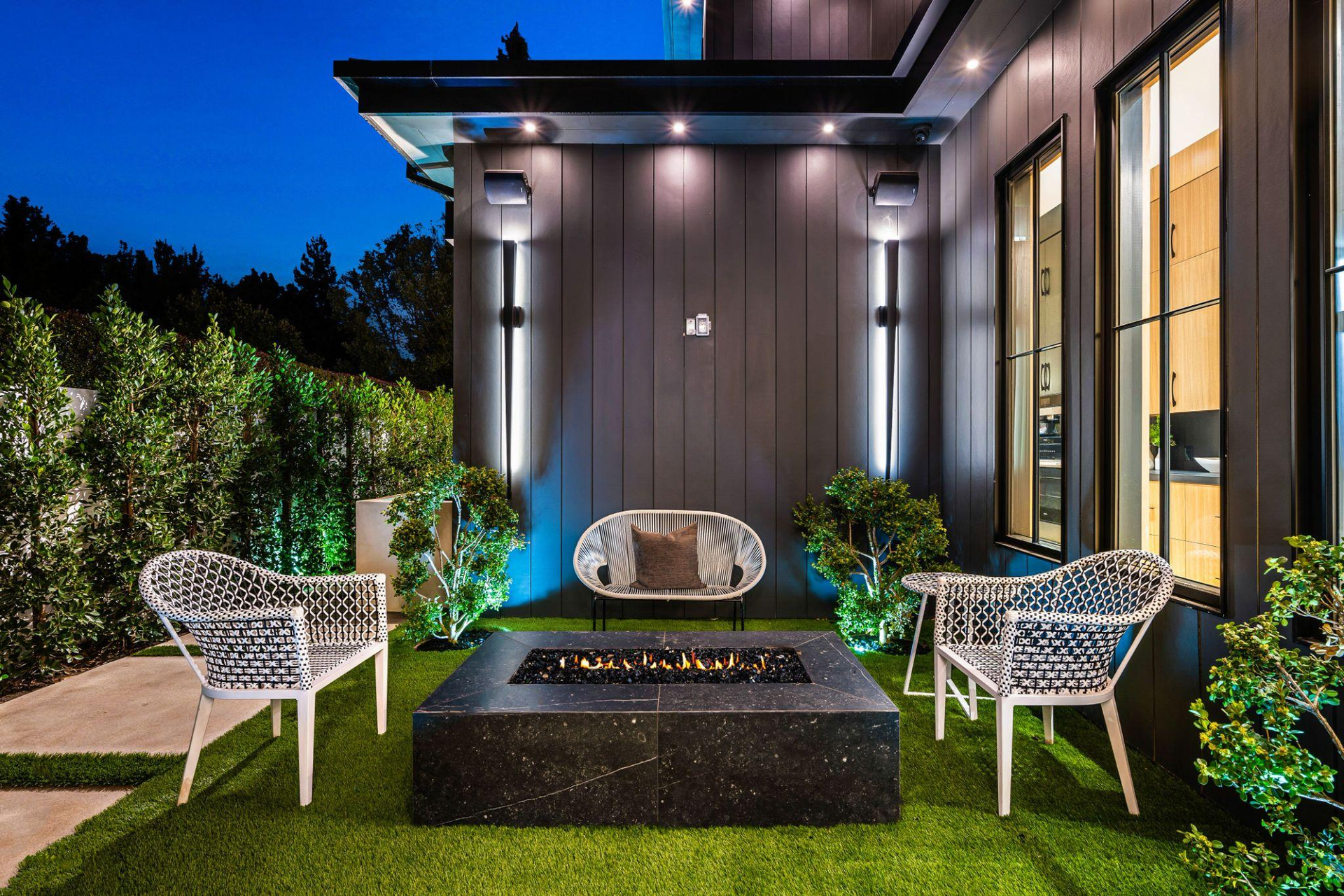
Fire features have become a popular addition to outdoor living spaces, creating a comfortable gathering area for family and friends year-round. However, homeowners often overlook how prolonged heat exposure can affect decks, patios, and nearby landscaping.
Knowing how to protect your outdoor surfaces can help you enjoy your fire feature safely while preserving your property's beauty and longevity.
Why Heat Damage Occurs Beneath Fire Pits
Fire pits generate significant heat, and not all of it rises into the air.
Radiant heat can transfer downward and outward, especially when you place a fire pit directly on a deck or other combustible surface. Over time, repeated exposure to high temperatures can weaken decking materials and cause visible wear.
Common signs of heat damage include:
- Fading or discoloration
- Surface cracking
- Warping or buckling
- Charred materials
- Premature deterioration
The risk often increases when you install fire pits without proper planning or protection.
Choose the Right Location
One of the most effective ways to prevent heat damage is selecting an appropriate location before installation.
Position fire features away from structures, railings, overhanging branches, and combustible materials whenever possible.
When planning placement, consider:
Surface Materials
Some surfaces tolerate heat better than others. Stone and concrete generally handle high temperatures better than traditional wood decking.
Ventilation
Adequate airflow helps dissipate heat and reduces the risk of excessive heat buildup beneath the fire feature.
Traffic Flow
A well-placed fire pit improves safety while maintaining comfortable access throughout the outdoor living area.
Proper planning during a fireplace installation in Green Bay project can help avoid costly modifications later.
Install a Heat-Resistant Barrier
Heat barriers create a protective layer between the fire feature and the decking surface.
Depending on the design, installers may recommend:
- Fire pit pads
- Heat shields
- Non-combustible paver bases
- Stone platforms
- Concrete pads
These barriers help distribute heat more evenly and reduce direct exposure to the decking material below.
A properly sized barrier should extend beyond the fire pit's footprint to account for radiant heat spread.
Use Non-Combustible Materials Around the Fire Feature
Creating a heat-resistant zone around the fire pit can provide additional protection.
Popular materials include:
- Natural stone
- Brick
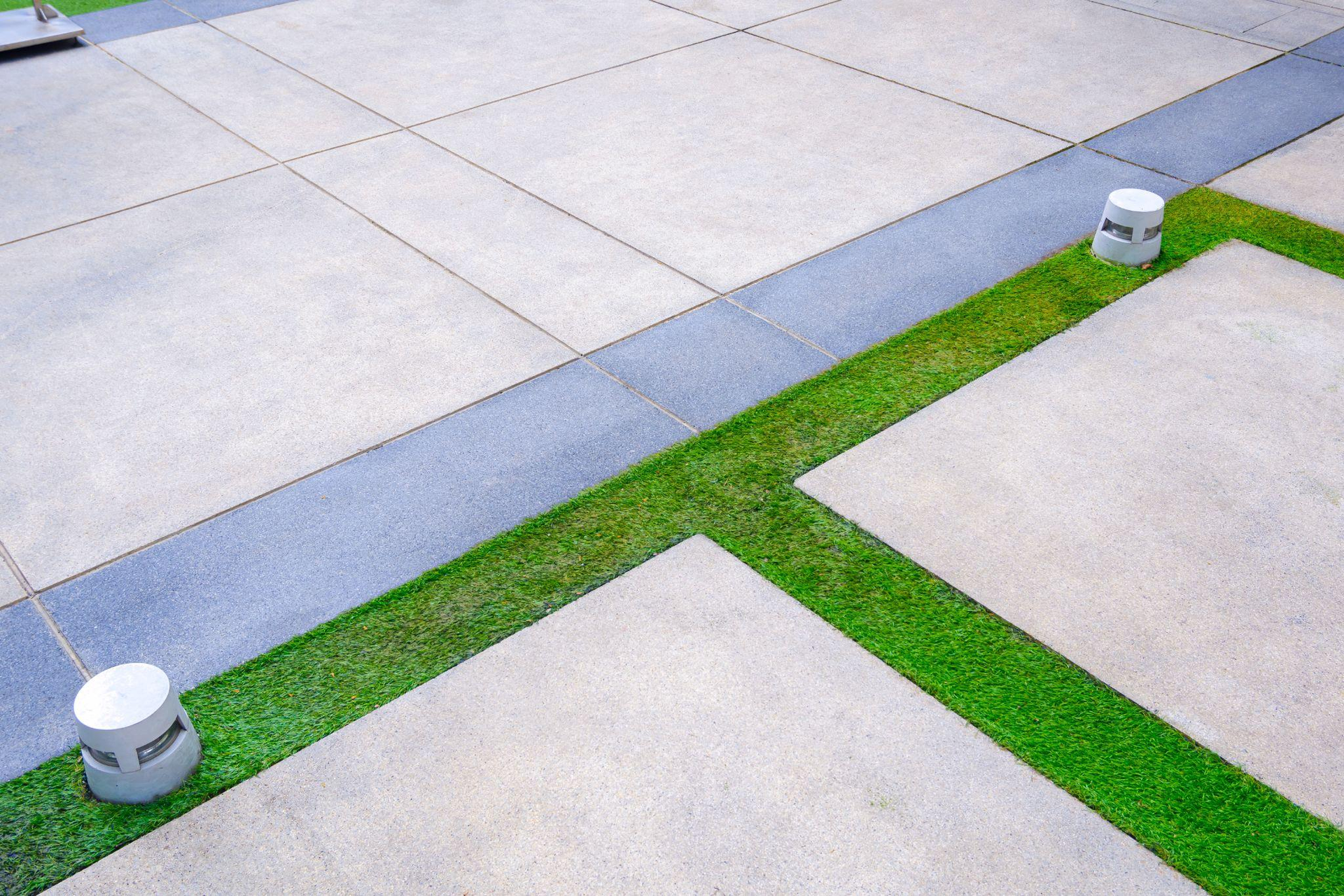
- Concrete pavers
- Decorative gravel
- Concrete slabs
These materials are designed to withstand higher temperatures and help minimize the impact of heat on nearby surfaces.
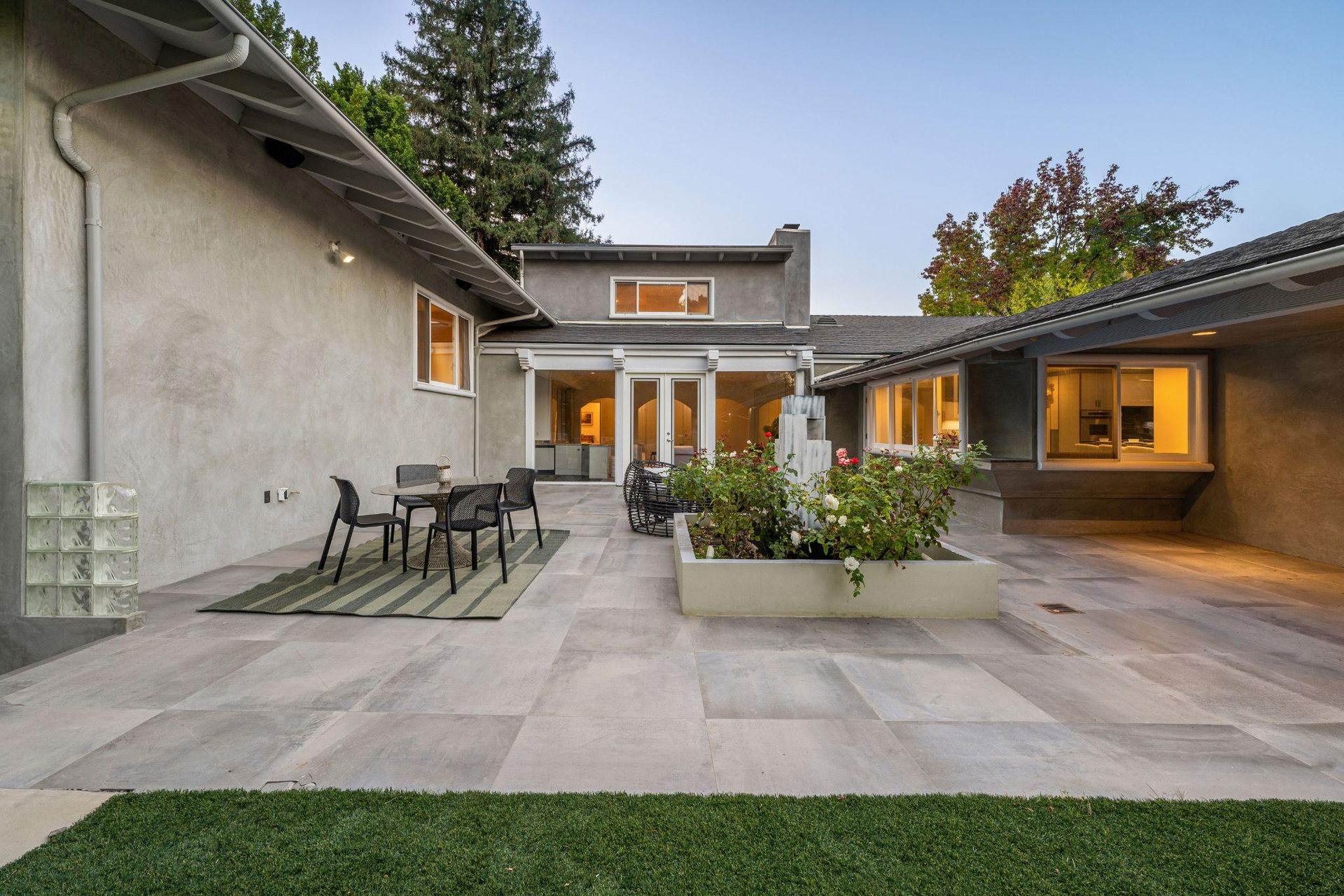
Many homeowners integrate these features into a larger outdoor living design for safety and visual appeal.
Consider Elevated Fire Pit Designs
Not all fire pits sit directly on the ground.
Some models have elevated bases that increase the distance between the heat source and the underlying surface. This additional clearance helps reduce heat transfer to decking materials.
When selecting a fire pit, pay attention to:
- Manufacturer clearance requirements
- Heat shield availability
- Ventilation design
- Recommended installation surfaces
Following these guidelines can significantly reduce the likelihood of heat-related damage.
Monitor Nearby Landscaping
Heat from a fire feature can also affect surrounding plants and landscape elements.
Prolonged exposure may dry out vegetation or damage sensitive plantings located too close to the fire area.
An experienced
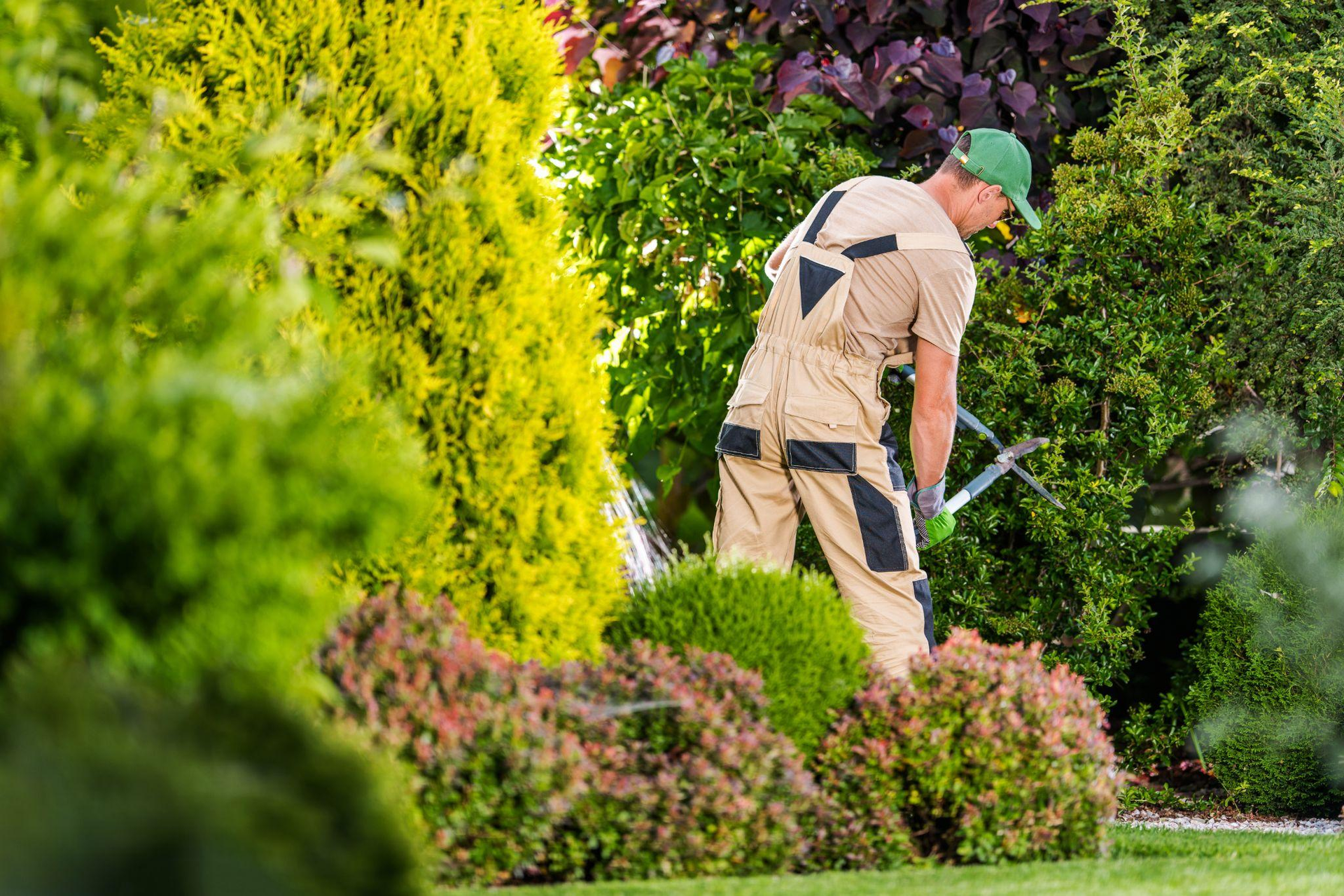
landscaping contractor in Green Bay can help design a layout that balances aesthetics, safety, and long-term plant health.
Consider keeping heat-sensitive materials away from:
- Decorative mulch
- Shrubs
- Ornamental grasses
- Seasonal flowers
- Wooden landscape borders
Proper spacing helps protect both hardscapes and softscapes.
Inspect Your Fire Feature Regularly
Routine inspections help identify issues before they become costly repairs.
Look for signs such as:
- Excessive surface heat
- Damaged heat shields
- Cracked barriers
- Surface discoloration
- Shifting fire pit components
Addressing these concerns early can extend the life of both the fire feature and surrounding materials.
Work With Experienced Outdoor Living Professionals
Proper installation is one of the most effective ways to prevent heat damage beneath fire pits and outdoor fireplaces.
At Extraordinary Landscape, we design outdoor living spaces with safety, durability, and long-term performance in mind. From selecting the right materials to creating protective hardscape features, professional planning helps ensure your investment remains attractive and functional for years to come.
Whether you're considering a custom fire pit, outdoor fireplace, or complete backyard transformation, professional fireplace installation in Green Bay can help protect decking surfaces while enhancing the comfort and value of your outdoor space.
Partnering with a trusted landscaping contractor in Green Bay ensures every detail is thoughtfully designed for both beauty and performance.