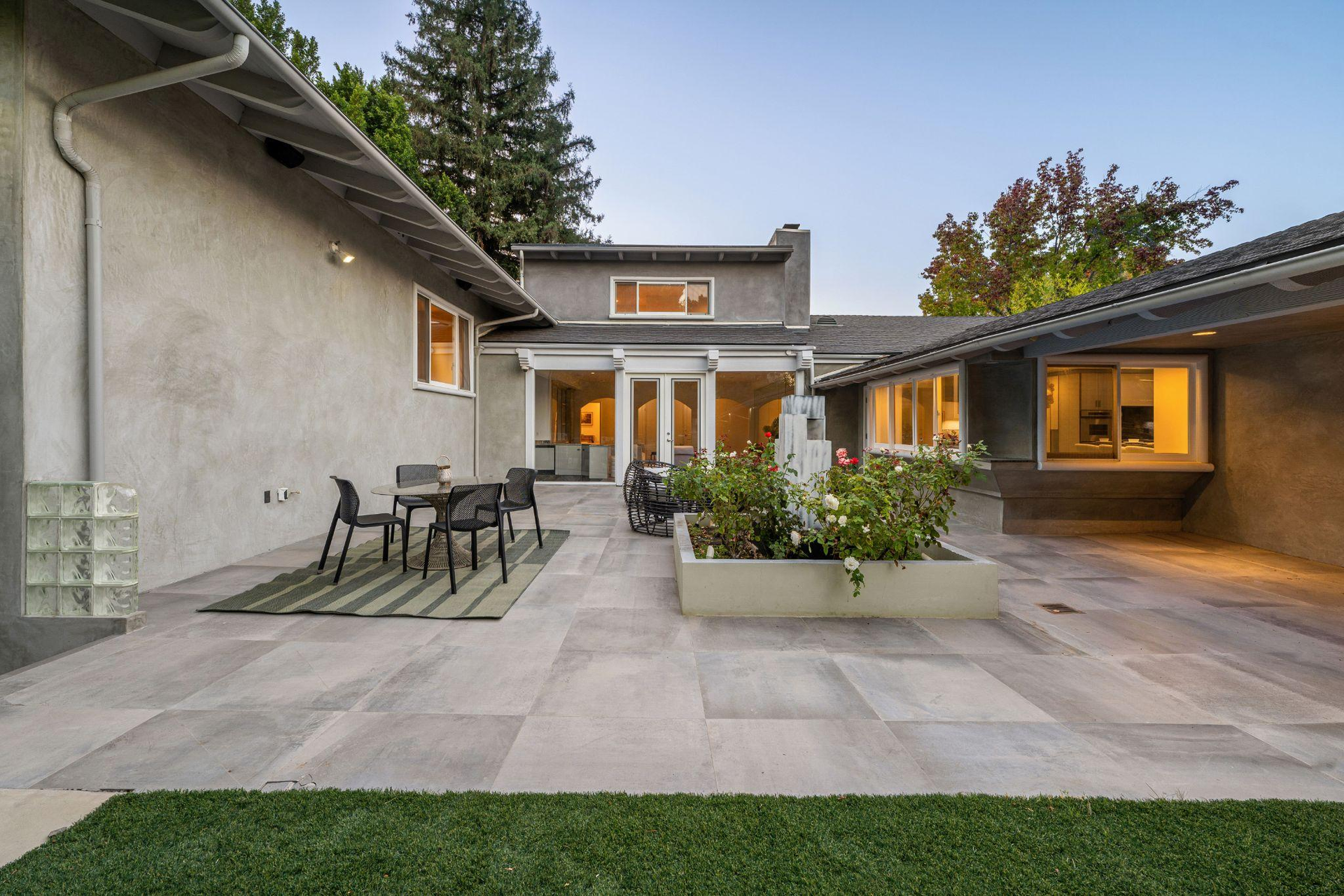
Paver installation services in De Pere help prevent frost heaving by creating a stable base, improving drainage, and using proper installation techniques designed for freeze-thaw cycles. Without the right preparation, winter conditions can cause pavers to shift, crack, and become uneven over time.
De Pere homeowners invest in patios, walkways, and outdoor living spaces to improve both function and curb appeal. However, Wisconsin winters can be tough on hardscape surfaces. As temperatures fluctuate above and below freezing, moisture trapped beneath pavers expands and contracts, leading to a common problem known as frost heaving.
Understanding why frost heaving happens and how to prevent it can help protect your investment and keep your outdoor spaces looking great year after year.
What Is Frost Heaving?
Frost heaving occurs when water in the soil freezes and expands. As the frozen water pushes upward, it lifts the ground and anything sitting on top of it, including pavers.
When temperatures rise and the ice melts, the ground settles again. Repeated freeze-thaw cycles can create uneven surfaces, loose pavers, and visible shifting throughout a patio or walkway.
The severity of frost heaving often depends on:
- Soil composition
- Drainage conditions
- Moisture levels
- Installation quality
- Frequency of freeze-thaw cycles
These factors make proper installation especially important.
Why Frost Heaving Affects Pavers
Pavers themselves are often durable enough to withstand freezing temperatures. The real issue is what happens underneath them.
If the base material contains excess moisture or lacks proper compaction, freezing water can create pressure beneath the surface. Over time, this movement can cause:
- Raised or sunken pavers
- Uneven walking surfaces
- Gaps between pavers
- Edge movement
- Drainage issues
Professional paver installation services in De Pere focus on creating a foundation that minimizes these risks.
Start With Proper Excavation
One of the most important steps in preventing frost heaving is excavating to the proper depth.
Shallow excavation often leaves pavers vulnerable to soil movement because it doesn't leave enough room for a stable aggregate base.
Deeper excavation lets installers create a stronger foundation that better resists seasonal ground movement.
The required depth varies depending on:
Soil Conditions
Clay-heavy soils tend to retain more water and may require additional preparation.
Intended Use
Driveways generally require deeper bases than patios or walkways because they must support heavier loads.
Drainage Requirements
Areas with poor natural drainage may need additional grading and drainage solutions.
Build a Strong Aggregate Base
The base layer is one of the biggest defenses against frost heaving.
Crushed stone aggregate provides stability while allowing water to move through the base instead of becoming trapped beneath the pavers.
A properly constructed base should:
- Be installed in multiple layers
- Be thoroughly compacted
- Use high-quality aggregate materials
- Provide adequate support for expected loads
When installed correctly, the base helps distribute weight evenly and reduces opportunities for frost-related movement.
Improve Drainage Around the Paver Area
Water is a major contributor to frost heaving. The less water that accumulates beneath the pavers, the lower the risk of winter damage.
Proper drainage design helps direct water away from hardscape surfaces before it can freeze.
Surface Grading
The finished patio or walkway should be slightly sloped to encourage water runoff.
Drainage Systems
Some projects benefit from:
- French drains
- Drainage pipes
- Catch basins
- Swales
These features help move excess water away from the installation area.
Permeable Solutions
Certain paver systems allow water to infiltrate more efficiently, reducing standing water and improving overall drainage performance.
A skilled
landscaping contractor in De Pere can evaluate site conditions and recommend the most effective drainage approach.
Choose Quality Edge Restraints
Edge restraints help maintain the paver system's integrity.
Without proper edge support, pavers may spread outward over time, especially when the ground moves during winter.
Strong edge restraints help:
- Keep pavers aligned
- Prevent shifting
- Maintain joint spacing
- Protect overall stability
Although often overlooked, edge restraints play an important role in long-term performance.
Schedule Repairs Before Winter
If existing pavers are already showing signs of movement, addressing the issue before winter can help prevent further damage. Common warning signs include:
- Uneven surfaces
- Loose pavers
- Water pooling
- Widening joints
- Visible settling
Early repairs often cost less than waiting for multiple freeze-thaw cycles to worsen the damage.
Partner With Extraordinary Landscape for Durable Paver Installations
Preventing frost heaving starts long before the first snowfall arrives.
At Extraordinary Landscape, proper site preparation, drainage planning, and base construction are key components of every hardscape project.
These installation practices help patios and walkways withstand freeze-thaw cycles while maintaining their appearance and functionality.
When homeowners invest in professional paver installation services in De Pere, they gain outdoor spaces designed for long-term performance. Working with an experienced landscaping contractor in De Pere like Extraordinary Landscape helps ensure patios, walkways, and other hardscape features remain stable, attractive, and durable through every season.